Flexible
Mixing: The first step in producing flexible windbreak and dust suppression nets is mixing the raw materials in a mixing machine.
Wire Drawing: The second and most important step in the production of flexible windbreak and dust suppression nets.
Net Weaving: The third step involves weaving the wires into a net using mechanical equipment. The width of the woven net is between 2-5 meters, and the length can be extended indefinitely.
Cutting and Sewing: The fourth step involves cutting and sewing the windbreak net to the required specifications according to the customer's size requirements.
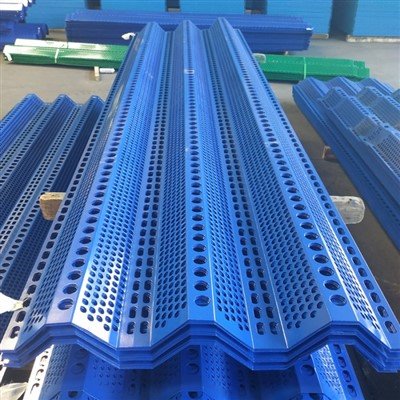
Rigid
Shearing and Bending: Shearing and bending are crucial steps in production; advanced processing equipment determines the quality of the product.
Punching: The second step in windbreak net production involves professional production workers processing high-quality perforated products.
Forming: The third step involves forming the windbreak net using equipment such as double-peak and triple-peak continuous forming machines. Windbreak nets can be made to lengths of 10 meters or even longer.
Cleaning: The fourth step in the production of windbreak and dust suppression nets. It prepares the nets for subsequent electrostatic powder coating. The cleanliness of the cleaning directly affects the quality of the powder coating.
Electrostatic Powder Coating: The fifth step in the production of windbreak and dust suppression nets is to apply a powder coating to the surface, ensuring the product does not corrode or rust in harsh environments.