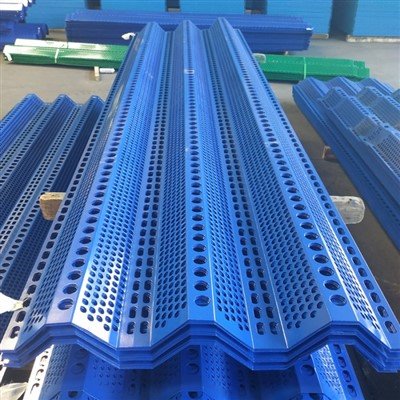
Generally speaking, manufacturers of wrought iron railings have already considered the characteristics of the outdoor environment during the production process. They strive to ensure rust prevention, wear resistance, corrosion resistance, and sun exposure resistance in the selection of materials and coatings. Therefore, users only need to choose well-known manufacturers when purchasing wrought iron railings. Don't be tempted by cheap prices and buy substandard iron structures. To extend the lifespan of outdoor wrought iron structures, the following points should also be observed:
Avoid impacts.
This is the first thing to pay attention to when handling wrought iron products. Handle them with care during transportation; place them in areas where they are not frequently bumped by hard objects; ensure the ground where they are placed is level; and ensure the wrought iron railings are securely installed. If they are wobbly or unstable, they will deform over time, affecting their lifespan.
Regular dust removal is necessary.
Outdoor dust accumulates over time, forming a layer of dust on wrought iron structures. This can affect the color of the wrought iron and lead to damage to the protective coating. Therefore, outdoor wrought iron facilities should be wiped regularly, preferably with a soft cotton cloth.
Pay attention to moisture prevention.
If it's just normal outdoor air humidity, you can rest assured about the rust resistance of wrought iron railings. In foggy weather, wipe the water droplets on the wrought iron with a dry cotton cloth; in rainy weather, wipe the water droplets dry promptly after the rain stops. Because acid rain is prevalent in most parts of my country, wipe away any rainwater residue on the wrought iron immediately after rain.
Keep away from acids and alkalis. Acids and alkalis are the "number one killer" of wrought iron railings. If acid (such as sulfuric acid, vinegar) or alkali (such as caustic soda, soapy water, soda water) is accidentally spilled on the wrought iron railings, immediately rinse the stain with clean water and then wipe it dry with a dry cotton cloth.
Remove rust. If the wrought iron railings have rusted, do not attempt to sand them down yourself. For small, shallow rust spots, apply machine oil to the rusted area with cotton yarn, wait a moment, and then wipe it off with a cloth to remove the rust. If the rust has spread and become severe, a professional technician should be consulted for repair.
In short, by mastering the basics of maintenance and care for wrought iron railings in daily life, you can extend their lifespan and ensure that your carefully chosen wrought iron masterpiece accompanies you for a long time.